Blogs
How Therapy and Related Services Shortages are Affecting Schools

School districts across the country are stretched thin. Caseloads are climbing, providers are leaving, and the students who most need support are too often the ones left waiting.
How districts can build more sustainable support teams to protect students
Therapy and related services, the backbone of any effective special education program or school, are caught at the center of a staffing crisis that has been building for years and shows no sign of resolving on its own.
This white paper examines the current state of related services staffing in schools, explores the consequences for students and educators, and offers practical strategies districts can use to close the gap. It also looks at how staffing partners and emerging delivery models like teletherapy fit into a longer-term solution.
The State of Therapy and Related Services in Schools
A Compounding Shortage
The problem is not one thing. It is two things happening at once: the number of students qualifying for special education and related services is rising, and the pool of professionals available to serve them is shrinking. Fewer graduates are choosing to enter school-based roles, and the experienced providers who have carried these programs for decades are burning out or approaching retirement. The pipeline, in short, is running dry from both ends.
According to the National Center for Education Statistics (NCES), nearly one in five students sought out mental health services during the 2024-2025 school year, with 53% of schools reporting increased demand from the year before[1]. A similar upward trend is seen in IEP services, with the share of students receiving IEPs rising to 15% since 2019[2].
While the demand for mental health services is increasing, the professionals needed to meet that demand are in short supply. The NCES revealed that 70% of public schools said they needed more support for student and/or staff mental health while 37% reported not being effective in providing mental health services for students. Schools cited a lack of mental health professionals on staff and limited access to hirable licensed mental health professionals as the top reasons behind this[1].
The result of these compounding factors is a system that was already under pressure now holding more weight than it can bear.

20% of public school students utilized school-based mental health
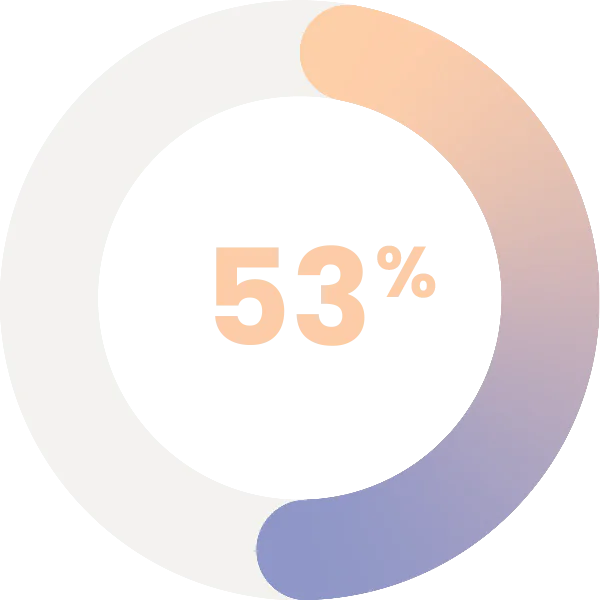
53% of schools reported this was an increase from the previous year
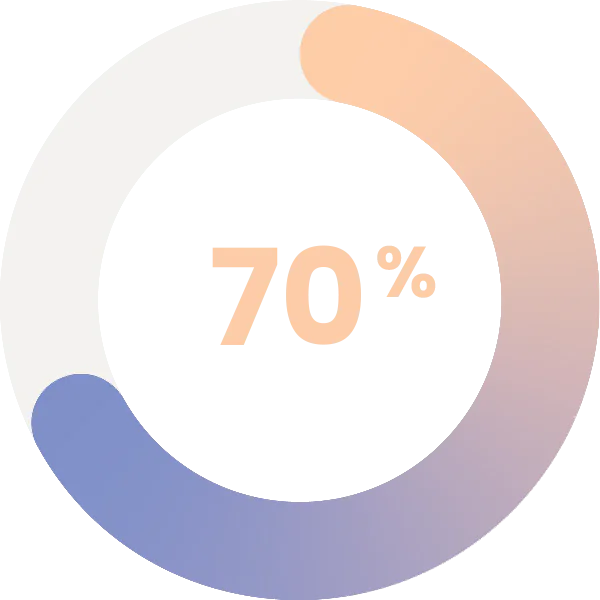
70% of public schools said they needed more support for student &/or staff mental health
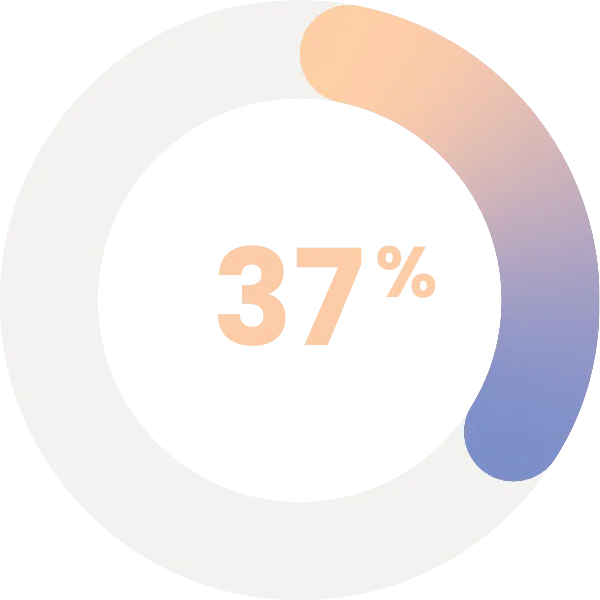
37% reported not being effective in providing mental health services for students
The Hardest Roles to Fill
Experts in the field consistently point to the same positions when asked what is hardest to staff. Speech-language pathologists top almost every list. Occupational therapists, particularly in certain regions, are increasingly difficult to find. School psychologists are in short supply nationally. And special education teachers, especially those working with students who have complex behavioral needs or require life skills instruction, are among the most chronically understaffed roles in K-12 education.
These are not peripheral jobs. They are the connective tissue of a well-functioning school with strong therapy and special education support.
The Caseload Crisis
hen these positions go unfilled, the caseloads do not disappear. They get redistributed. Educators in the field describe SLP caseloads climbing as high as 60 students, and special education teacher caseloads reaching 50. For context, a manageable full-time SLP caseload is generally somewhere in the range of 25 to 40 students, and that can still feel heavy when several of those cases require intensive time and coordination.
The compounding effect is real. Fewer providers handling more students with increasingly complex needs accelerates burnout, which drives more departures, which makes the caseload problem worse. It is a cycle that is difficult to break without deliberate intervention.
“When someone quits mid-year, those caseloads get dispersed onto the people who are still there. The people who stay are getting burned out because of what keeps piling on top of them.“
– School staffing expert
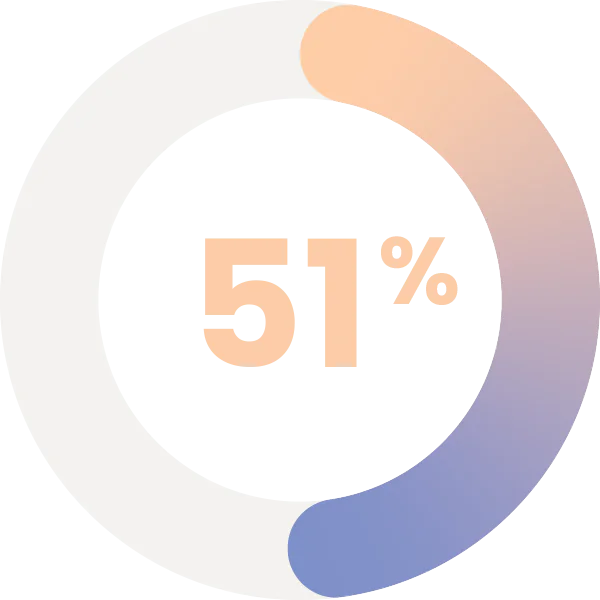
of rural schools report being effective at providing school-based mental health services for students
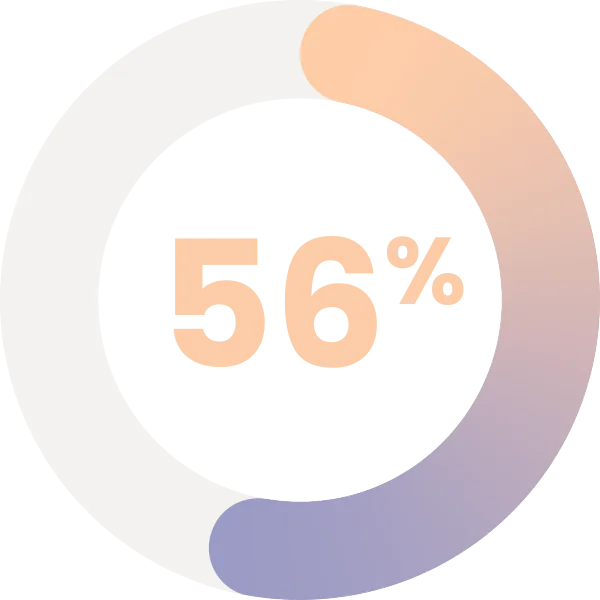
of city schools report being effective at providing school-based mental health services for students
Rural vs. Urban
Different Problems, Same Pressure
Geography shapes the nature of the challenge, even if it does not change the fact of it. The NCES reveals only 51% of rural schools and 56% of city schools report being effective at providing school-based mental health services for students[1].
Rural Districts
Rural districts often need part-time services spread across multiple buildings or sites, requiring providers to absorb significant travel time within an already short school day. This makes finding someone willing to work split schedules across a wide geographic area a genuine barrier.
Urban Districts
Urban districts face pressures like scale, socioeconomic complexity, student trauma, and persistent attendance challenges. On top of this, urban schools are grappling with budgetary constraints driven by the largest post-pandemic enrollment declines of any locale in the country[3]. These challenges are then compounded by provider shortages, making caseloads feel even heavier than the numbers suggest.
The Ripple Effect
Students, Teachers, and Schools
Staffing shortages do not stay contained to HR spreadsheets and org charts. They move through a school building like a shockwave, touching students, classroom teachers, paraeducators, and administrators in ways that are easy to underestimate from the outside.

What Students Lose
The biggest impact on students is a
disruption to the vital education services they need. IEP issues are a major example of this. An IEP is a legal contract. It commits a school district to delivering specific services on a set schedule. When providers are unavailable and services become patchy, IEP goals can go unmet and stunt a student’s progress.
Attendance is another complicating factor. Inconsistent services can result in students with significant needs not being in school regularly. Without a strong school therapy infrastructure, personal challenges can stand between the highest-need students and the support designed for them.

Legal & Compliance Exposure
Districts that fall short on IEP delivery do not just let students down. They expose themselves to state reporting obligations and, in some cases, mandatory intervention. Missed evaluation timelines trigger formal consequences. When a provider leaves mid-year and caseloads go unmanaged, the IEP paperwork starts slipping, and that paper trail leads directly to the state education agency.
Special education directors understand this acutely. The urgency they feel is not abstract. It is rooted in knowing that the legal promises made to families have to be kept, with or without adequate staffing.

Staff Bearing the Weight
When a related services provider is unavailable, the people around them absorb the impact. General education teachers manage students who stay in their classroom during scheduled IEP services. Paraeducators get pulled into roles they were not trained for. Principals pull staff to cover classrooms they do not teach. When one key player is missing, the entire structure breaks down.
Nobody wins in that scenario, and the burnout that often follows puts the very people carrying the extra load at risk of walking away themselves.
How to Strengthen Therapy and Related Services
Understanding the problem is one thing. Doing something about it is another. The good news is that districts do not have to wait for a national policy fix or a sudden surge of new graduates to start making progress. There are practical moves that can help improve stability, protect students, and reduce burnout, even in the current environment.
What High-Performing Programs Have in Common
Across the field, the districts that navigate these challenges best tend to share a few key traits. Funding matters, and so does focused training. But the single biggest factor may be collaboration with a clear, shared goal.

Building-level leadership drives outcomes. Principals who can align their teams, inspire focus, and empower educators to work together around common student goals tend to see better results than those who let each grade level or department operate in isolation.
Vertical alignment is equally important: a strong third-grade team cannot fully overcome a weak second-grade team. Progress compounds when the whole ladder is working together, including special education and related services providers.

Practical Recommendations for Districts
There is no single fix, but there are concrete moves districts can make. Here are some suggestions to consider:
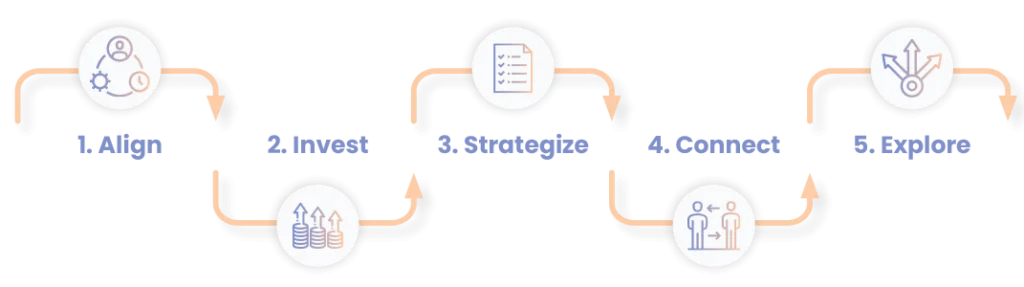
- Align your own leadership first. Special education directors, HR, and finance need to be at the same table. Staffing decisions that do not include finance often fail to stick. Decisions made without HR input create compliance gaps. Getting these three functions working together is foundational.
- Invest in retention as seriously as you invest in recruiting. Hiring is expensive and slow. Keeping a good provider who knows your students and your systems is far more cost-effective. Professional development, manageable caseloads, and authentic support for new staff all help.
- Be strategic about teletherapy. Virtual delivery can fill genuine gaps, particularly for lower-acuity students or in situations where an in-person provider simply cannot be found. But it has limitations. Students with the most complex needs generally require face-to-face services. Think of teletherapy as a capable option in certain situations, not a blanket solution.
- Explore training pipelines. Seek out university partnerships that create pathways for paras and behavioral techs to earn teaching credentials. Internship-first models that put student teachers in real classrooms before their coursework is complete are also gaining traction. These are longer-term plays, but they matter.
- Connect with staffing agencies that understand your context. When HR is overwhelmed and the SPED director is stretched, an experienced staffing partner can serve as a pressure release valve.
Where Educational Staffing Agencies Fit
Even well-run districts with strong internal programs hit walls. A provider resigns in October. A recruitment search goes cold. A caseload becomes unmanageable overnight.This is where an educational staffing partner can make a meaningful difference, not as a permanent replacement for a sustainable workforce strategy, but as a capable resource when the system is under pressure.
Compliance is the baseline. What moves the needle is finding someone with the relational skills, flexibility, and emotional intelligence to work effectively with students, families, and colleagues from day one. That said, the staffing relationship works best when the right people are at the table on the district side. When special education directors, HR, and finance are aligned before a staffing conversation begins, placements happen faster and they stick. When those functions are siloed, even a great professional match can fall apart over budget approvals or credentialing delays.
Teletherapy is expanding the reach of staffing options too. What began as a workaround during the COVID-19 pandemic has become a legitimate delivery model for certain students and settings. The key is honest assessment of where it works and where it falls short. A strong staffing partner will help districts think that through, rather than defaulting to virtual because it is cheaper or easier.
A good educational staffing partner does more than fill a seat, they bring…

On-Demand
Qualified Professionals

Simplified
Compliance Tracking

Strategic
Staffing Analytics
How Amergis Supports School Districts
Amergis Education is built for exactly the kind of layered, fast-moving challenges that school districts face in therapy and related services. The approach is collaborative and hands-on, and the work does not end when a professional is placed.
Districts working with us consistently point to communication as the differentiator. When a director calls at 7:30 in the morning because a provider has not shown up and a classroom is in crisis, they reach a person. Not a chatbot, not a voicemail queue. A real human who knows their account and is ready to problem-solve with them. That responsiveness builds trust, and trust is what makes a staffing relationship function over the long term.
Picture this:
On the candidate side, we continue to invest in building out ongoing support structures and professional development opportunities for placed professionals. New graduates entering school-based roles often find that their coursework did not prepare them for the daily reality of managing complex caseloads, navigating IEP timelines, and working alongside overtaxed building teams. Coaching, mentoring, and ongoing check-ins throughout the school year can be the difference between a professional who thrives and one who burns out by March.
Latest Expansion: Teletherapy Platform
We’re launching university partnerships to create educator pathways, and continuing to build internship and mentoring programs for new school-based therapy and related services professionals. These are not isolated initiatives. They are part of a longer-term commitment to helping the schools we serve build sustainable, effective learning environments.
Thinking Ahead
The related services staffing crisis is layered, urgent, and driven by forces no single district, agency, or program can solve alone. Rising student needs, a shrinking provider pipeline, caseloads that have grown well beyond what any professional can reasonably manage, and a legal compliance framework that demands delivery regardless of capacity: these are not small problems. But they are solvable, with the right partnerships and strategies in place.
Districts that lead with collaboration, invest in their people, align their internal leadership, and find strategic partners who understand the stakes can build more stable and effective therapy and related services programs. The students waiting for these services and the professionals who serve them deserve that effort.
We’re here to help support students beyond academics
Get the latest blogs, news, and company updates
Want to get the latest industry-related news and updates? Subscribe to our resources to get insights sent straight to your inbox.